Industry Insights
Great art fails commercially every day. The missing ingredient isn’t talent—it’s product thinking.
I’ve seen extraordinary Chinese artists struggle to pay rent. I’ve seen mediocre performers build global brands. The difference isn’t talent. It’s product thinking.
The Artistic Excellence Trap
Cultural industries are filled with talented people who believe excellence will be recognized. Create great art, they think, and audiences will come.
It doesn’t work that way.
Excellence is necessary but not sufficient. The world is full of excellent artists you’ve never heard of. Excellence without distribution, positioning, and audience understanding is invisible.
What Is Product Thinking?
Product thinking is the discipline of creating something people actually want, can access, and will pay for.
It involves:
- Audience understanding: Who are you creating for? What do they need?
- Value proposition: What transformation does your product create?
- Distribution: How will people find and access your product?
- Monetization: How will you capture value from the exchange?
- Iteration: How will you improve based on feedback?
These questions seem obvious. But most cultural creators never ask them.
The Lightopia Example
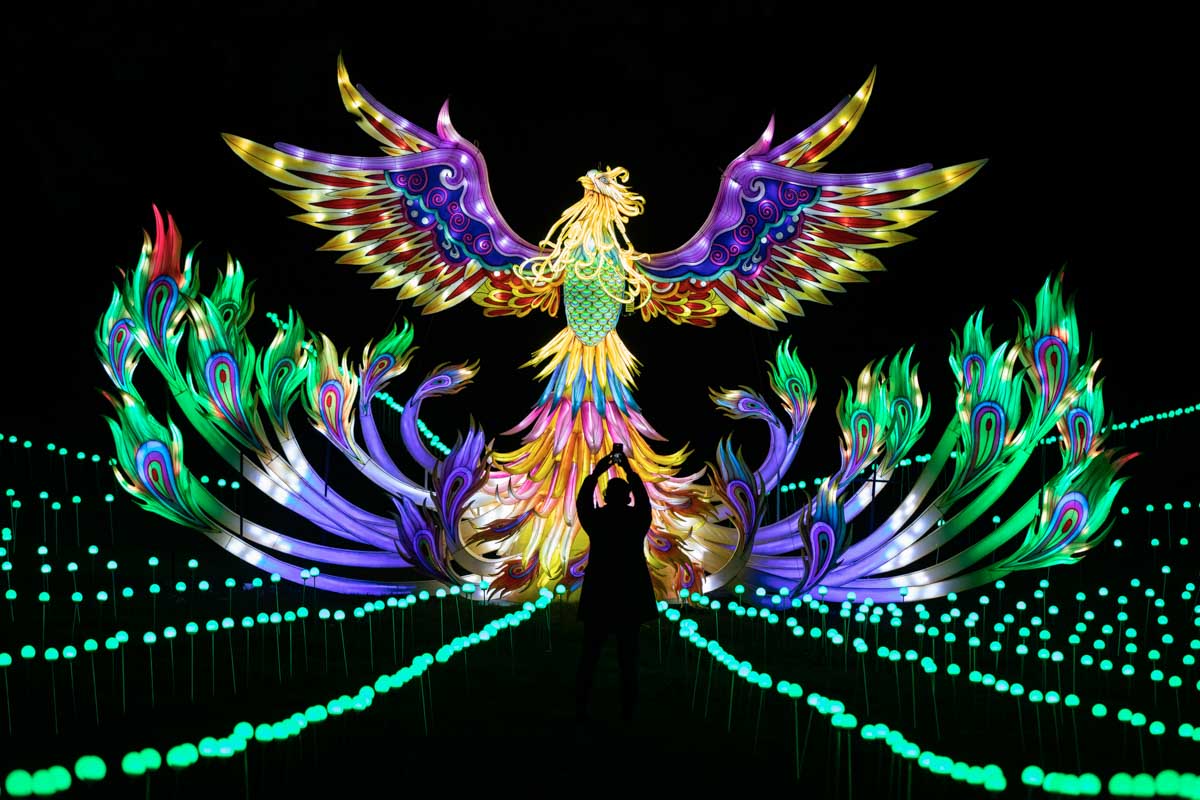
Lightopia’s lanterns were beautiful. But beauty wasn’t the product.
The product was winter transformation—turning the darkest, coldest season into something magical. The lanterns were the medium. The transformation was the product.
This product thinking shaped every decision:
- Timing: November-January, when winter feels endless
- Venues: Botanical gardens, where nature felt dormant and needed activation
- Pricing: Premium, signaling specialness
- Marketing: Focus on emotion, not education
- Experience design: Journey-based, building to climactic moments
Without product thinking, Lightopia would have been a Chinese lantern exhibition. Interesting, perhaps. But not a product people would pay premium prices to experience.
Why Cultural Creators Resist Product Thinking
Many artists and cultural organizations resist product thinking. They see it as commercialization, as selling out, as compromising artistic integrity.
This is a false dichotomy.
Product thinking doesn’t mean creating lowest-common-denominator content. It means understanding your audience deeply enough to create something that genuinely serves them.
The greatest artists in history were product thinkers. Shakespeare wrote for specific audiences, in specific venues, with specific commercial constraints. Mozart composed for particular performers and occasions. They created excellence within market realities.
The Product Thinking Framework
For cultural creators, I recommend this framework:
1. Define Your Core
What emotional experience do you create? What’s the transformation?
2. Identify Your Audience
Who needs this transformation? How many of them are there? Where do they gather?
3. Design Your Experience
What format best delivers your core to your audience? How long? What price point? What setting?
4. Build Your Distribution
How will people discover you? What partnerships extend your reach?
5. Create Feedback Loops
How will you know if you’re succeeding? What metrics matter?
The Competitive Advantage
Cultural industries are crowded. Excellence is table stakes. Product thinking is the differentiator.
The creators who succeed aren’t necessarily the most talented. They’re the ones who understand that culture is a product like any other. It needs to be designed for users, distributed effectively, and continuously improved.
If you’re a cultural creator, ask yourself: am I creating art, or am I creating a product?
The answer should be both.
About Ian Xia: Cultural strategist, founder of Lightopia and Immersia, and architect of CAAP™ (Culture As A Product). Ian helps cultural organizations and creative entrepreneurs take their IP to international markets.