How I Sold Chinese Lanterns to 2.65 Million British People
In 2013, I walked into the 100th venue in London and slid a proposal across the table. What happened next took three years, over a hundred rejections, and one red brick wall to figure out.
In 2013, I walked into the 100th venue in London and slid a proposal across the table.
The man on the other side flipped through it for three seconds, pushed it back, and said: “Sorry — what exactly is a lantern festival?”
I’d heard that line too many times to count.
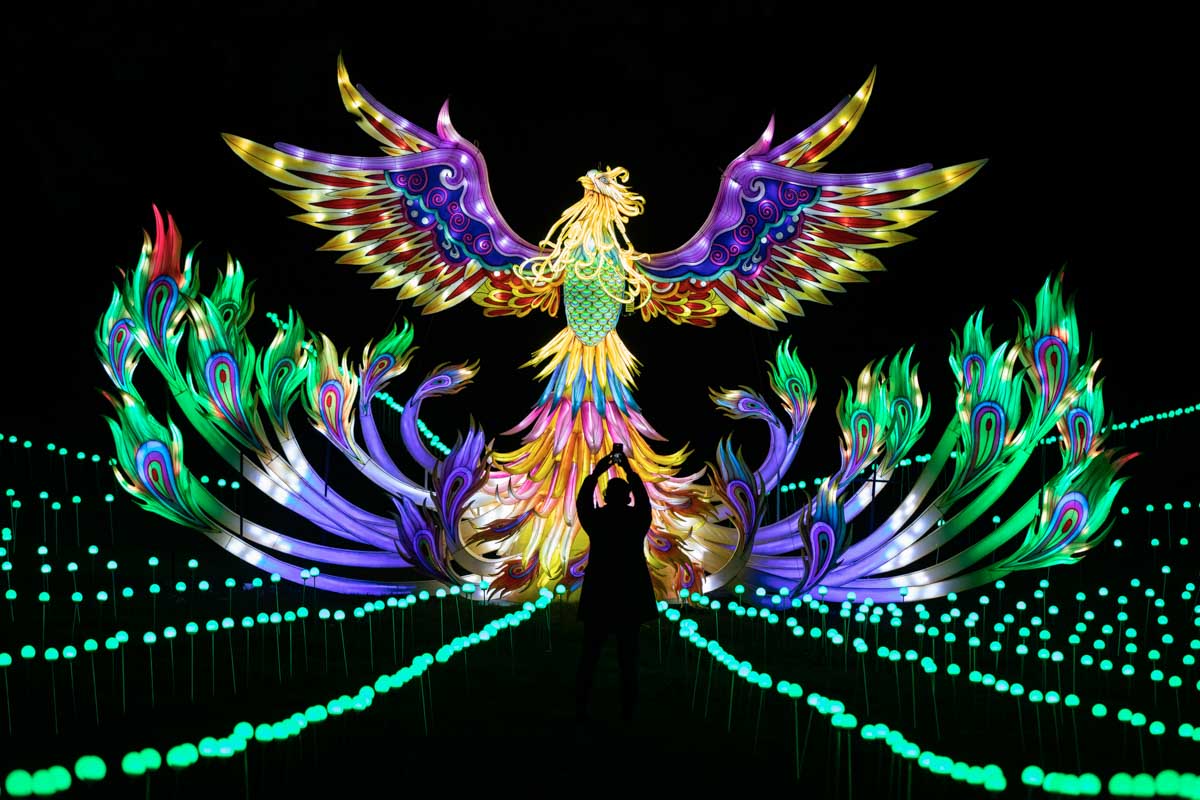
It had started with a phone call from a friend. He told me there was something in Zigong, a small city in Sichuan province, called caideng — traditional Chinese lanterns. Not the paper kind you hang on a string. We’re talking hand-built steel-frame sculptures covered in silk, some standing ten or fifteen metres tall, glowing with thousands of lights. Dragons. Phoenixes. Palaces. Mythological creatures — each one assembled by dozens of craftsmen, each one representing a craft that was quietly dying out.
He wanted to bring it to the UK. Would I be interested?
I flew to Zigong. One look and I knew: this has to be in London.
What I didn’t know was that it would take three years and over a hundred rejections to make that happen.
The Wall of No
The problem wasn’t that British audiences weren’t interested. The problem was that they had no reference point for what we were offering.
“A lantern festival — is that where you release sky lanterns?”
“Like the red lanterns in Chinatown at Chinese New Year?”
“We already have a Christmas event in December.”
And even when they were curious, the scale was a shock. A proper caideng installation requires a dozen 40-foot shipping containers, a crew of fifty, and at minimum five hectares of space. Most venues walked away the moment they heard the numbers.
One estate in Yorkshire spent a full year in conversations with us. Proposals, site surveys, budget negotiations, a contract ready to sign — and then, the night before the signing, they called to say it was off.
I didn’t sleep that night.
The team started to question everything. Maybe this just isn’t going to work in the UK. Maybe we should pivot.
I said nothing. I bought a train ticket and went to look at the next venue.
The Red Brick Wall
The turning point came on an ordinary afternoon.
I’d just finished visiting a site west of London and was driving back when I passed a quiet street and noticed a tall red brick wall with tree branches just visible above it. I parked the car and went in.
It was a place called Chiswick House Gardens — a beautifully preserved Victorian estate with a lake, open lawns, and winding pathways.
Standing there, I mentally overlaid the lantern installations onto every corner of the grounds. The dragon by the lake. The illuminated trees along the path. The water reflecting everything back.
This is the one.
I reached out to the venue. They said yes — partly, I later learned, because they needed a winter event and didn’t fully grasp what we were about to bring them.
When twelve 40-foot shipping containers rolled through the gates, the venue staff stood on the roadside in stunned silence.
They had been expecting two-metre decorative lanterns.
The Two Weeks Before Opening
The installation took two weeks in November London — near-zero temperatures, winds that could take your hard hat off. We worked until 2am most nights.
Problems came from day one. The main entrance of the park faced the A4, one of the major routes into Heathrow, so no construction noise was permitted during the day. We erected the final arch in the dark, at 3 in the morning, in the cold.
Then, two weeks before opening, the local council showed up with a list of permits we hadn’t filed. Fire safety. Food licensing. Alcohol licensing. Event management plans. Twenty officials. A four-hour meeting on-site.
We’d already sold tickets. We’d invited the Chinese Embassy’s cultural attaché to the opening ceremony. Over a hundred media outlets were confirmed.
For two weeks, I barely slept.
Every permit came through. The council returned the day before opening for a final inspection, gave the green light, and walked off the site.
The Moment at the Lake
The night before opening, I walked the entire route alone with my camera.
I stopped at the lake.
On the far bank: a fifty-metre dragon made of silk and light. Around it: hand-woven lotus flowers, glowing animals, illuminated trees. On the water: reflections trembling with every ripple. A family of ducks paddled through the whole thing, completely unbothered.
I stood there and cried.
I’m still not entirely sure whether it was joy or three years of pressure finally finding a way out.
I said one thing to myself, quietly: It’s beautiful enough.
That year, Chiswick House Gardens’ lantern festival sold over 100,000 tickets. BBC covered us four times. We won the Chairman’s Award — the highest honour in the UK’s live events industry.
What Came After
Magical Lantern Festival expanded from one city to two, then three. In 2019, I launched Lightopia Festival — a new format that merged traditional Chinese lantern artistry with immersive technology, interactive installations, and modern light design.
During the pandemic, when every other event company was shutting down, I pushed forward. That year we served nearly 500,000 visitors and took home 5 Gold and 4 Silver awards at Eventex — one of the largest event awards in the world — making us among the top three most-awarded events globally that year.
Alton Towers, the UK’s largest theme park, brought Lightopia in as their headline Christmas event and called it “a world-class experience.”
Fifteen cities. 2.65 million visitors. 37 international awards.
It all started with a hundred rejections.
Why I’m Telling You This
Someone once asked me what kept me going through all those no’s.
It wasn’t persistence for its own sake.
It was that I genuinely believed this thing was worth doing. And every time I got turned down, I still believed it. So I went to look at the next venue.
China has extraordinary culture — culture good enough that 2.65 million people will happily pay to experience it, good enough for BBC to come back four times, good enough to win the highest honours in the international events industry.
What that culture often lacks isn’t quality. It’s the systems and the people who know how to turn cultural content into a product the world can access.
That’s what I’ve been building. That’s what I’m still working on.
Ian Xia is the founder of Xiangvision (英伦大像), Lightopia Festival, and the CAAP™ Culture As A Product system. He has spent over a decade commercialising Chinese cultural projects internationally.